

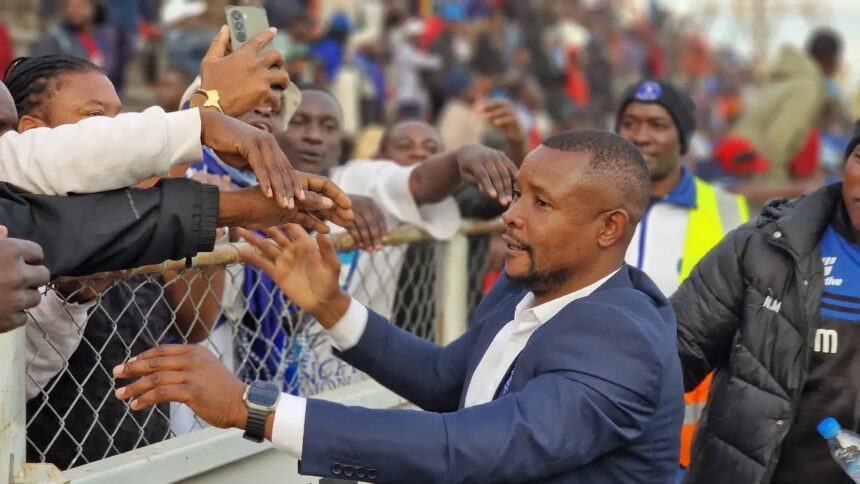
THE recent suspension of Genesis Mangombe and his technical team by Dynamos’ executive has sent shockwaves across Zimbabwean football, not merely as an internal disciplinary matter, but as a potential inflection point for the integrity of the entire Premier Soccer League (PSL), the Zimbabwe Football Association (ZIFA), and the broader football ecosystem.
While the executive cited several grounds, including insubordination and the controversial invocation of juju rituals, the gravest and most consequential allegation remains match-fixing: the deliberate manipulation of match outcomes across four designated fixtures.
In its official letter to Mangombe, Dynamos’ CEO explicitly accused the coach of involvement in “game manipulation” wherein Dynamos either lost or drew matches, specifically avoiding wins, under suspicious circumstances.
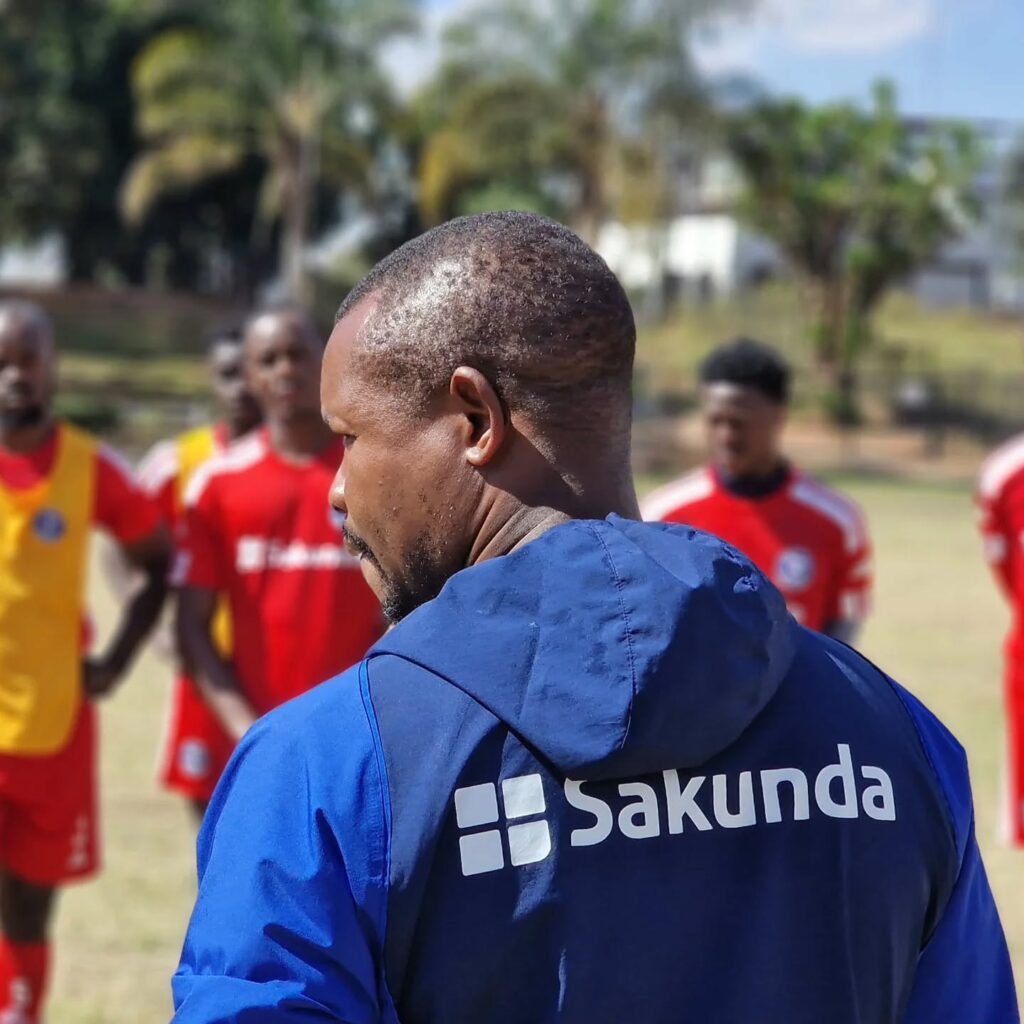
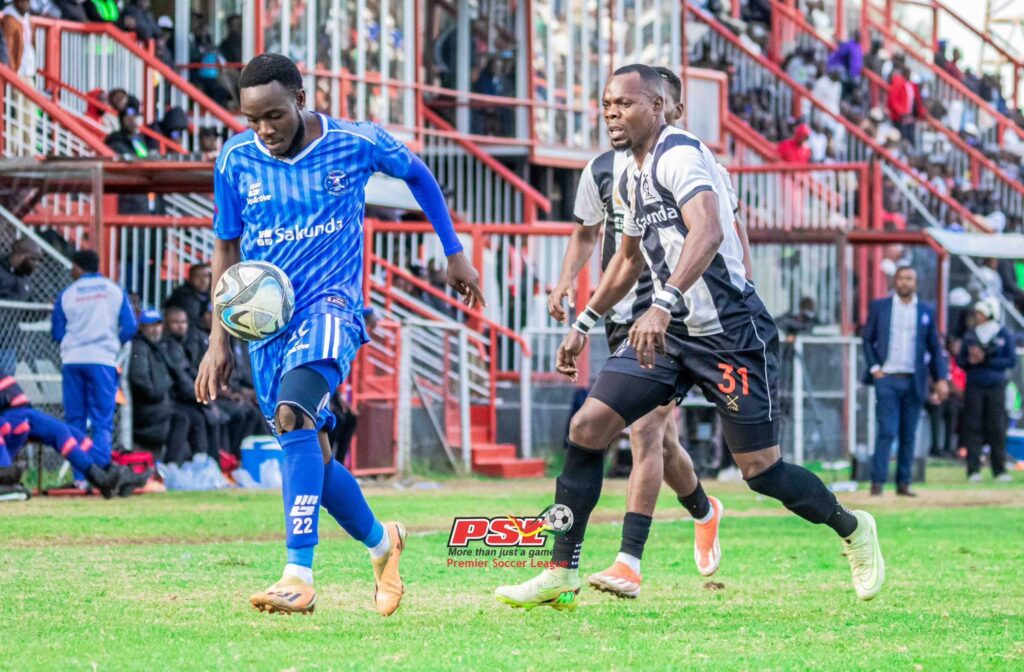
The four matches cited are not trivial friendlies or inconsequential cup ties; they include high-profile contests such as the Castle Challenge Cup clash against Scotland FC (5–0 loss), the Charity Shield against Highlanders (1–0 loss), a 2–2 draw with Hunters, and a 2–1 defeat to Caps United. Each carries competitive weight, fan expectation, and financial stakes, making the allegations all the more alarming.
What makes these claims particularly troubling is their specificity: the letter alleges that Mangombe deployed players “out of positions they were signed up to play in without justifiable reasons” during the Scottland FC match,a tactical deviation that weakened Dynamos to allow a shocking result, if proven intentional and outcome-driven, could constitute a red flag under FIFA’s Regulations on the Status and Transfer of Players and Disciplinary Code, both of which explicitly prohibit any form of match manipulation (Art. 22 & 25).
FIFA’s zero-tolerance stance is unequivocal: “Any act aimed at influencing improperly the course or result of a match… is strictly prohibited.” ZIFA’s own Statutes (Section 14.3) and the PSL’s Code of Conduct echo this, mandating independent, transparent, and expeditious investigations into such allegations.
Yet, the burden of proof rests squarely with the accuser, not the accused.
Dynamos’ executive has not publicly disclosed evidence: no forensic match analysis, no communications intercepts, no whistleblower testimonies, no betting pattern anomalies, nor forensic financial audits linking players, officials, or third parties to suspicious transactions.
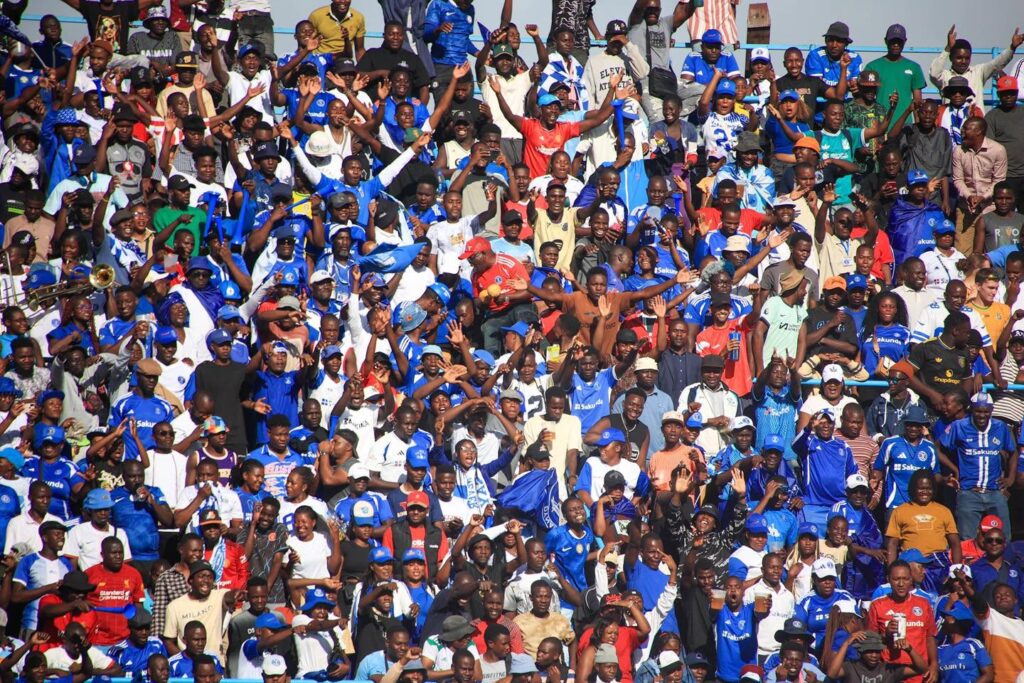
In the absence of verifiable data, the allegations risk devolving into a weaponised narrative, deployed not to safeguard integrity, but to settle internal scores, deflect from managerial failures, or mask deeper institutional dysfunction.
That possibility cannot be dismissed lightly. Zimbabwean football has long grappled with opaque governance, weak institutional oversight, and a culture where accountability often stops at the dressing room door.
If Dynamos’ leadership is using unsubstantiated match-fixing claims as a pretext to remove a coach amid performance pressures or personality clashes, the precedent is dangerous. It erodes due process, intimidates technical staff, and normalises the conflation of poor results with criminal conduct, undermining professionalism and due diligence at every level.
Therefore, immediate, multi-tiered intervention is non-negotiable.
First, ZIFA must activate its Independent Ethics and Disciplinary Committee, comprising legally trained, FIFA-certified investigators with no ties to Dynamos or its executive, to conduct a forensic, evidence-led inquiry.
Second, the PSL must suspend any internal disciplinary process pending ZIFA’s findings, ensuring no parallel proceedings compromise procedural fairness.
Third, FIFA’s Integrity Unit should be formally notified both to lend technical and legal support and to signal that Zimbabwe’s football integrity is a matter of global concern.
Crucially, all investigative reports must be made public in redacted form, preserving confidentiality where necessary but affirming transparency as the bedrock of credibility.
The stakes extend far beyond one club or one coach. Every uninvestigated allegation weakens public trust. Every unchallenged rumour emboldens corruption. Every unproven accusation left uncorrected damages reputations irreparably. And every failure to uphold due process signals to players, agents, and betting syndicates that Zimbabwe’s football governance remains porous.
Dynamos is Zimbabwe’s most storied club, a symbol of resilience, identity, and national pride. Its current crisis is not merely administrative; it is existential.
If the allegations are true, accountability must be swift, severe, and unflinching. If they are false, then the executive must be held equally accountable, not for poor judgment, but for recklessly endangering the sport’s moral architecture. In either scenario, silence, delay, or internal whitewashing is complicity.
The integrity of Zimbabwean football is not a negotiable asset. It is the foundation upon which everything else—investment, sponsorship, youth development, international standing—rests. Let this moment not be remembered as the day Dynamos fractured, but as the catalyst for Zimbabwe’s football renaissance: one rooted in evidence, ethics, and unwavering institutional courage. No stone must be left unturned. No voice silenced. No truth deferred. The game—and its people—deserve nothing less.
(c) DeMbare DotComs
DeMbare DotComs is a leading Dynamos fan page with over 500,000 followers across social media.